

Writing a good product description feels like it should be easy, but it's surprisingly tough. You need to persuade, inform, and rank on Google all at once. It’s not just about listing features; it’s about telling a story that connects with your ideal customer, wherever they're shopping. Whether you're selling on Amazon, your own Shopify store, or to other businesses, the right words can make all the difference. For a deeper look at the basic principles, this guide on how to write product descriptions that sell offers valuable insights.
But what does the "right" description even look like? The perfect example of a product description changes depending on your product, your audience, and the sales channel. A description for a technical gadget won't work for a luxury handbag, and what ranks on Amazon might get ignored on Instagram. That's why we're moving beyond generic advice. Instead, this article is a playbook filled with real-world examples and smart strategies you can use right away.
This guide breaks down eight different types of product descriptions you can use today. For each one, we'll show you an example, explain the strategy behind why it works, and give you a "before and after" rewrite to make the ideas clear. You'll see exactly how to write copy that grabs attention and drives sales, covering everything from technical specs and SEO to brand storytelling. We'll explore how to write for different situations, including:
A technical specification description is a data-first approach to product content. It puts measurable specs, performance metrics, and precise technical details first, rather than creative or emotional language. This style is super important for categories like electronics, appliances, and industrial parts where customers make buying decisions based on compatibility, performance, and exact measurements. This is a must-have example of a product description for any brand selling complex products.
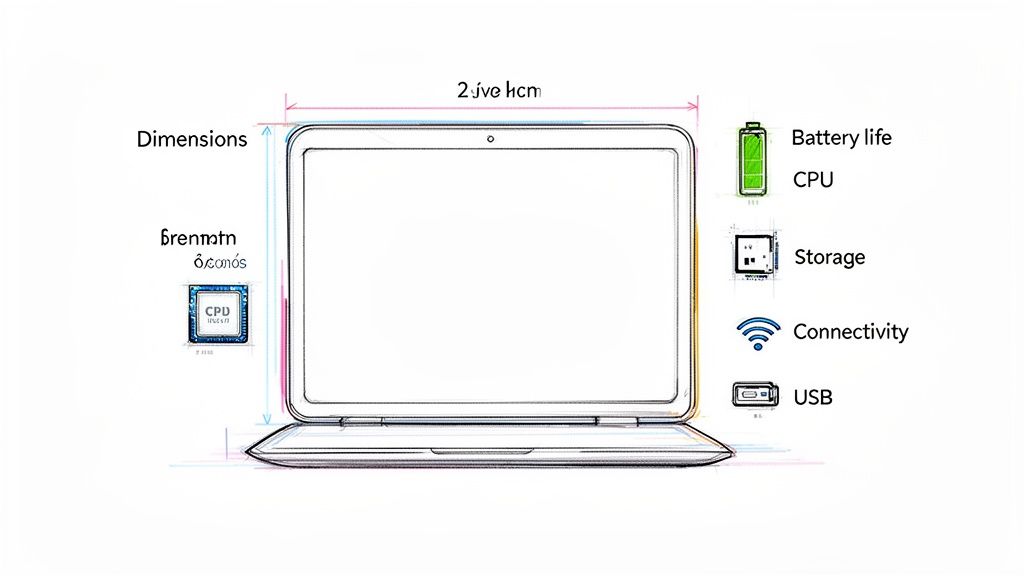
Shoppers for these items are often knowledgeable and have specific needs. They aren't looking for a story; they need to know if the laptop has a 12th Gen Intel Core i7 processor, 16GB of LPDDR5 RAM, a 1TB NVMe SSD, and two Thunderbolt 4 ports. Missing or wrong specs lead directly to lost sales and high return rates.
This method works because it's so clear and structured. By presenting data in a standard format, you let customers quickly compare products and confirm that a device meets their needs. For example, B2B marketplaces like Digi-Key and big electronics sellers like Amazon have set the standard. They use structured tables and bullet points to list everything from processor speed to Bluetooth versions.
Key Insight: For technical products, trust is built on accuracy, not pretty words. A complete and correct spec sheet is more persuasive than the best marketing copy. It shows you respect the customer's knowledge and needs.
To do this at scale, you need a system for managing your data.
A lifestyle and benefit-focused description is a story-driven way to present product content. It highlights emotional benefits, aspirational value, and how a product fits into the customer's life, instead of just its functional features. This style is especially effective for fashion, home goods, and wellness products, where buying decisions are often guided by feeling and identity. This is a powerful example of a product description for brands that want to build a strong connection with their customers.

Shoppers in these categories aren't just buying an item; they're buying an experience or a part of an identity. They want to know how a sweater will make them feel on a cool autumn day or how a piece of furniture can turn their living room into a spot for "relaxed entertaining." The goal is to sell the result, not just the object. Brands like Patagonia and Allbirds are great at this, weaving stories of adventure, comfort, and sustainability into their product descriptions.
This method works so well because it creates an emotional connection and builds brand loyalty. By focusing on the "why" behind a product, you change the conversation from price and features to value and feeling. This storytelling approach is perfect for social media and modern search engines where people are looking for inspiration. Instead of just listing "100% organic cotton," you describe the "soft, breathable feel of ethically sourced cotton against your skin."
Key Insight: For lifestyle products, emotion drives sales. A great story that paints a picture of a better life is more convincing than a simple list of features. It builds a brand that customers want to be a part of.
To use this strategy consistently, you need a system for creating and managing brand-focused, emotional content.
An SEO-optimized description is built for search engine visibility across different marketplaces like Amazon, Google Shopping, and eBay. This method combines keyword integration, a clear structure, and readability to do well in various search algorithms. It’s a key example of a product description that balances machine-readable data with interesting copy for human shoppers.
This approach understands that each sales channel has its own rules. An Amazon title needs the brand, product type, and key features right at the beginning, while a Google Shopping feed needs exact categorization and attribute mapping. The goal is to create a core description that can be changed and optimized for each platform's unique algorithm, making sure you get found wherever customers are searching.
The power of this method is in its flexibility and data-driven base. By treating product descriptions as dynamic assets made for specific search environments, you move from a "one-size-fits-all" model to a channel-specific strategy. For instance, tools like Helium10 and Jungle Scout have made SEO methods for Amazon's A9 algorithm popular, focusing on keyword density in titles, bullets, and backend search terms. In the same way, Google's best practices for shopping feeds reward structured data and complete attributes.
Key Insight: Marketplace visibility isn't just about creative writing; it's about giving search algorithms the structured data they need. A well-optimized description speaks the language of both the customer and the platform, driving clicks and sales.
To use this strategy well, you need a system for managing and optimizing content across different channels.
A compliance and legal description is a precise, legally accurate product description that meets regulatory rules while still being friendly to customers. It's not optional but required for drugs, supplements, food, children's items, and other heavily regulated categories. This is a critical example of a product description where accuracy can have legal and safety impacts.
For these products, what you don't say is as important as what you do. The description must include specific disclosures, like FDA evaluation disclaimers for supplements, allergen warnings for food, and choking hazard notices for toys. Not meeting these standards, which are enforced by agencies like the CPSC and FTC, can lead to fines, product recalls, and being kicked off platforms.
The goal of this description type is to reduce risk first and market the product second. The content must be checked by legal or compliance teams to make sure it makes no unapproved claims and includes all required warnings. For example, a supplement description can state it "supports immune health" if proven, but it cannot claim to "prevent," "treat," or "cure" any disease. Similarly, when selling on consumer platforms, understanding platform-specific rules, like the rules for listing on Facebook Marketplace to avoid being banned, is key to avoiding account suspensions.
Key Insight: For regulated goods, the product description is a legal document. Building trust means showing a commitment to safety and transparency, which requires a system that values accuracy and full documentation over creative copy.
Managing compliance content at scale needs a structured and auditable process.
A comparative description directly positions your product against competitors, alternatives, or even other items in your own product line. Instead of describing a product by itself, it frames its value in relation to other known options. This approach is powerful for B2B SaaS companies, marketplace sellers, and any business where customers are actively comparison shopping. It's a great example of a product description because it shortens the customer's research process.
Shoppers in these situations are already thinking, "How is this different from Brand X?" A comparative description answers that question for them. For instance, a B2B software page might show a table comparing its features to Slack or Microsoft Teams. Similarly, an Amazon listing's "Compare with Similar Items" section gives customers a quick summary of price, ratings, and key specs for related products, influencing their decision on the spot.
This method's power is in its ability to control the story. You get to frame the comparison, highlighting your product's strengths against a competitor's known weaknesses or a lower-tier alternative's faults. For example, B2B companies like Notion and Asana build special landing pages for "Notion vs. Evernote" or "Asana vs. Trello," which capture high-intent search traffic and directly answer the user's main question. This builds confidence and speeds up the decision-making process.
Key Insight: Don't wait for your customers to open another browser tab to compare. By presenting the comparison yourself, you show transparency and guide them toward the conclusion that your product is the better choice for their needs.
To do this well, you need a system for managing competitive information and connecting it to your product content.
A storytelling and brand heritage description is a deep narrative approach to product content. It focuses on the story, craftsmanship, and brand history over functional specs. This style is essential for luxury, artisanal, and heritage brands where the story behind the product is a main reason for its value. For these categories, an emotional and historical connection is the most powerful example of a product description a brand can offer.
Shoppers for these items are buying more than an object; they are buying into a legacy, a piece of art, or a specific set of values. They are not just looking for a watch, but for a Rolex that represents decades of Swiss innovation and watchmaking mastery. The story about the artisan's hands, the sourcing of rare materials, or the founder's original vision is what justifies the high price and builds lasting brand loyalty.
The power of this method is in its ability to create an emotional experience that goes beyond the product itself. Luxury fashion houses like Hermès and Louis Vuitton masterfully describe artisan production and brand mythology, making a handbag a desired piece of a larger story. By weaving a compelling narrative, you raise the perceived value and set your product apart in a market where being functionally better may not be the main selling point. Craft beverage brands do this by detailing sourcing relationships and production traditions.
Key Insight: For premium products, desire is built on story, not just usefulness. An authentic story about heritage, sourcing, or craftsmanship is more compelling than a list of features. It turns a purchase into an investment in a legacy.
To use this narrative strategy consistently, you need a structured way to manage your brand's stories and assets.
A quick-scan description is designed for speed, prioritizing immediate understanding on small screens and in fast-moving digital marketplaces. This approach puts critical information first, using a strong visual hierarchy, bullet points, and even symbols or emoji to share key selling points in seconds. It is essential for categories dominated by impulse buys and for platforms like Amazon or grocery delivery apps, where shoppers make quick decisions. This is an effective example of a product description built for the mobile-first consumer.
Shoppers on mobile are often multitasking or on the go. They aren't reading paragraphs; they are scanning for triggers like "Free Shipping," star ratings, or a key benefit. A quick-scan description for a phone case might lead with "✓ Drop-Proof ✓ MagSafe Compatible ✓ Slim Fit" instead of a story about its design. This method knows that the first three seconds of attention are all you might get.
The power of this method is in its raw efficiency. It cuts away all non-essential language to present a short, high-impact message that fits the user's mindset in a specific situation. On an eBay mobile listing, a seller might use a structured format like "NEW | SEALED | FREE SHIPPING | 100% FEEDBACK" right in the title or first line, instantly answering the most common buyer questions and building trust. This structure is not just about being short; it's about creating a predictable, easy-to-digest pattern that reduces mental effort for the shopper.
Key Insight: On mobile and in marketplaces, clarity is better than creativity. The goal is to remove roadblocks from the decision-making process. A well-structured, scannable description acts as a signpost, not a story, guiding the user to the "buy" button as quickly as possible.
To use scannable descriptions effectively, especially across thousands of products, you need a system that supports both brevity and automation.
An educational or how-to description focuses on teaching the customer how to use, assemble, or maintain a product. This approach goes beyond selling features to ensure customer success and satisfaction after the purchase. It is critical for products with a learning curve, complex assembly, or specific maintenance needs, such as power tools, advanced cameras, fitness equipment, or software. This is a powerful example of a product description that reduces returns and builds long-term brand loyalty.
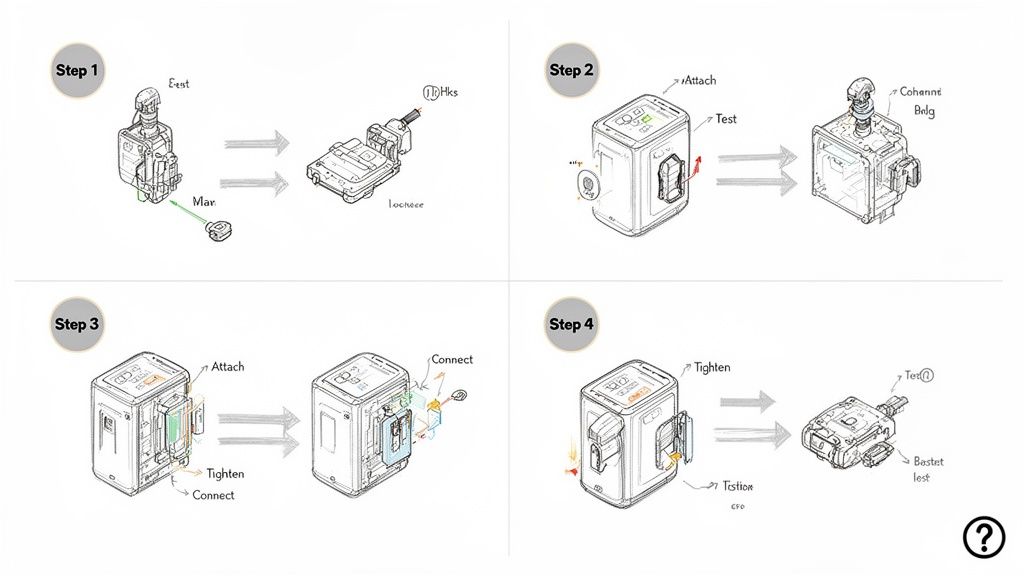
For these products, the purchase decision often depends on the customer's confidence in their ability to use it correctly. Brands like IKEA and DeWalt understand that a clear assembly guide or a video on changing a saw blade is a direct sales tool. By putting this educational content directly on the product page, you address potential worries and show your commitment to the customer's entire experience with the product.
This method's strength is its ability to prevent problems after the purchase. A customer who successfully puts together a piece of furniture or masters a camera's settings is far more likely to become a repeat buyer and brand fan. The goal is to mix support and education directly into the buying journey, making it a seamless part of the product information. This proactively answers the "How do I..." questions that often lead to frustration and negative reviews.
Key Insight: For complex products, customer confidence is a feature. Showing how easy it is to assemble, learn, or maintain a product is as important as highlighting its technical specs.
Here is an example of an embedded how-to video that can be added directly to a product page to guide customers through setup and usage:
To build effective how-to descriptions, you need to combine clear instructions with accessible media assets.
| Description Type | Implementation Complexity | Resource Requirements | Expected Outcomes | Ideal Use Cases | Key Advantages |
|---|---|---|---|---|---|
| Technical Specification Description - Electronics/Hardware | High, it requires structured attributes, versioning, and coordination | High, it needs spec sheets, test data, R&D, engineering and channel templates | Precise compatibility, fewer returns, improved technical search visibility | Electronics, appliances, industrial equipment, tech marketplaces | Accuracy, comparability, technical transparency |
| Lifestyle and Benefit-Focused Description - Fashion/Home Goods | Medium, it needs creative direction and tone management across variants | Moderate, it needs copywriters, DAM, UGC integration, brand/marketing review | Higher engagement, perceived value, stronger brand affinity | Fashion, home goods, DTC and sustainability-focused brands | Emotional appeal, shareability, premium positioning |
| SEO-Optimized Description - Marketplace Multi-Channel | Medium, it needs keyword strategy plus channel-specific formatting | Moderate, it needs SEO tools, analytics, continuous keyword research | Improved organic visibility and CTR, long-term traffic growth | Marketplace sellers, omnichannel retailers, new product launches | Search discoverability, CTR lift, dynamic keyword updates |
| Compliance and Legal Description - Regulated Products | Very high, it needs legal review, audit trails, multilingual compliance | Very high, it needs legal/compliance teams, documentation, certification data | Reduced legal risk, regulatory consistency, safer listings | Pharmaceuticals, supplements, food, children's products, regulated categories | Risk mitigation, regulatory adherence, consumer trust |
| Comparative Description - B2B and Marketplace Alternatives | Medium, it needs competitive intelligence and proof | Moderate, it needs competitor data feeds, market monitoring, verification workflows | Clear positioning, reduced decision paralysis, higher conversion | B2B SaaS, electronics, categories with many alternatives | Decision clarity, ROI framing, competitive differentiation |
| Storytelling and Brand Heritage Description - Premium/Luxury | Medium–High, it needs narrative curation and high-quality media integration | High, it needs creative production, premium imagery/video, brand research | Strong emotional connection, justification for premium pricing | Luxury, artisanal, heritage brands, collectible products | Brand differentiation, loyalty, elevated perceived value |
| Quick-Scan Description - Mobile and Marketplace Speed Optimization | Low–Medium, it needs template-driven but needs tight front-loading rules | Low, it needs concise templates, character monitoring, rapid QA | Improved mobile conversions, lower bounce, faster purchase decisions | High-volume SKUs, impulse buys, mobile-first retailers | Scannability, speed, conversion efficiency |
| Educational and How-To Description - Complex Products | High, it needs detailed instructional design and progressive disclosure | High, it needs technical writers, video/diagram production, expert review | Fewer returns, higher customer success, reduced support burden | Complex tools, furniture assembly, technical equipment, software onboarding | Self-service enablement, reduced support, better adoption |
Throughout this guide, we've looked at a wide range of product description examples, from technical specifications for electronics to touching stories for luxury brands. We've broken down what makes each one work, highlighting the specific tactics that connect with different audiences on different channels. The main idea is clear: a single, one-size-fits-all description is a thing of the past.
The true art of product content is in its adaptability. Each example of a product description we looked at was not just a block of text but a strategic tool. It was designed with a specific goal, whether that was to rank on Amazon, build brand love on social media, or provide critical compliance information on a regulated product. Your job is not to find one perfect template, but to build a versatile content toolbox.
So, where do you go from here? The sheer variety of approaches can feel overwhelming, but the path forward is more direct than it seems. The key is to change your mindset from writing individual descriptions to building a scalable content system.
Here are the core principles we've covered, broken down into actionable steps:
Doing this strategy by hand across hundreds or thousands of products is not just hard, it's impossible. This is where modern product information management (PIM) becomes a necessity, not a luxury. The goal is to separate your core, foundational product data from the channel-specific copy that is generated from it.
Think of it like this: your PIM holds the "what" (the specs, the core benefits, the brand story pieces). From that single, reliable source, you can then generate the "how" for each channel. You can create rules and templates to automatically assemble an SEO-rich description for marketplaces, a technical data sheet for distributors, and a short, punchy version for a social media ad, all without rewriting a single word by hand.
Looking at each example of a product description in this article through the lens of a system shows the underlying pattern. You are not just writing copy; you are engineering a content delivery machine. By investing in the right process and tools, you turn product content from a time-consuming chore into a powerful competitive advantage. You make sure every customer, on every channel, gets the exact information they need to make a confident purchase. Start small, pick one product family, and apply these principles. The clarity and sales lift you see will prove the value of the approach, giving you the momentum to scale across your entire catalog.
Ready to stop manually wrangling spreadsheets and start building a scalable content engine? NanoPIM provides the centralized platform you need to manage your core data and automatically generate channel-perfect descriptions. See how you can apply the strategies from this article at scale by visiting NanoPIM to learn more.


